
The Short Answer
Filing bankruptcy discharges your personal liability on a mortgage, but it does not automatically remove your name from the deed — and that distinction can cost you real money. Until the bank forecloses or the property is transferred out of your name, you may remain responsible for HOA dues that come due after your bankruptcy filing under 11 U.S.C. § 523(a)(16). In today's market, where NC foreclosures can drag on for two years or more, those dues can add up fast. A quitclaim deed or deed in lieu of foreclosure can transfer the property out of your name and cut off that ongoing liability — but you should talk to your bankruptcy attorney before taking either step.
Whether or not someone who files bankruptcy also needs to do a quitclaim deed or deed in lieu of foreclosure is a question that many bankruptcy attorneys and clients are asking themselves these days. A few years ago, most banks and mortgage companies (we will call them banks for this blog) foreclosed on a property – house or land – within three to four months of the bankruptcy filing. At the foreclosure sale, the bank would pay the property taxes on the house as well as any homeowner association liens on the property. For many people, that is now considered the “good ole’ days”.
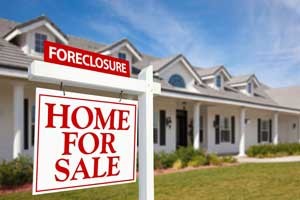 With the depressed economy and the increase in foreclosures, banks are taking considerably longer to foreclose on properties. There are statistics that indicate it is taking an average of six months for banks to foreclose in North Carolina; however, in some cases, it is taking two years or more for them to sell the house or land at foreclosure. If you want to continue living in the house until the bank forecloses, then that timeframe may be wonderful news! Unfortunately, if you have already moved out of the house, the lengthy foreclosure process can be both annoying and costly.
Because of the lengthy process, bankruptcy clients are receiving notices of delinquent city/county taxes as well as membership association or HOA dues. (For this blog, we will use the generic term of “HOA dues”. This can be a traditional neighborhood homeowners association, condominium association, cooperative association, etc. It is also important to note that the “dues” for this blog encompass dues, assessments and fees.) With the Bankruptcy Abuse Prevention and Consumer Protection Act of 2005 (known as BAPCPA and a few other names that can’t be written), 11 U.S.C. § 523(a)(16) holds bankruptcy clients responsible for HOA dues that become due and payable from the date after the bankruptcy filing until the property is foreclosed on by the bank, sold to a third party, conveyed with a deed in lieu of foreclosure or a quit claim deed. As a result, even if the house is surrendered in bankruptcy and you have moved out of the house, you may be responsible for the HOA dues until the bank forecloses. In some high-end neighborhoods as well as condominium and townhouses neighborhoods, the HOA cost can be expensive. This part of the bankruptcy code does not seem fair, but many HOA have started taking advantage of this language since they are tired of waiting on the bank to pay the HOA dues, conduct normal maintenance on the property, etc.
As a result, many bankruptcy attorneys are suggesting their clients consider a quit claim deed or possibly a deed in lieu of foreclosure. This will transfer the property out of the bankruptcy client’s name and in most cases eliminate the debtor’s responsibility for the taxes and HOA dues. The quit claim deed literally transfers the property form the existing homeowners to another party, e.g. the bank or HOA. There is no guarantee with this deed, so the homeowner would be transferring HOA liens, other mortgage liens, judgment liens, etc. with the property. Some bankruptcy attorneys will assist clients with the quit claim deed, but there is usually an additional fee for these services. Other bankruptcy attorneys will recommend you speak with a real estate attorney that will prepare the quit claim deed, file it with the register of deeds and serve it on the appropriate parties. You may also want to consider a deed in lieu of foreclosure to expedite the process. The deed in lieu is prepared by the bank and/or their attorney. There may be ramifications on your credit if you complete a deed in lieu of foreclosure, so you would want to discuss this approach prior to signing any documents.
Regardless, you should not take any action until you after you speak with your bankruptcy attorney. In some cases, it may be beneficial for you to consider one of these options prior to your bankruptcy filing, but in other cases it is beneficial to wait until after the bankruptcy has been discharged and a final decree issued.
Key Takeaways
- Surrendering a home in bankruptcy discharges your mortgage debt but does not remove your name from the deed or end your legal ownership of the property.
- Under 11 U.S.C. § 523(a)(16), HOA dues that come due after your bankruptcy filing date are not discharged — you owe them until the property is sold, foreclosed, or transferred out of your name.
- North Carolina foreclosures can take six months to over two years, meaning delinquent HOA fees and property tax notices can pile up even after you've moved out.
- A quitclaim deed transfers ownership to another party (such as the bank or HOA) but carries no guarantees — existing liens, including HOA liens and judgments, transfer with the property.
- A deed in lieu of foreclosure is prepared by the bank and can expedite the process, but it may carry credit reporting consequences you should understand before signing anything.
- Never execute a quitclaim deed or deed in lieu of foreclosure without first consulting your bankruptcy attorney, as timing relative to your filing can significantly affect the outcome.
Attorney Insight
The mistake I see most often is clients assuming that surrendering a home in bankruptcy means they're completely done with it — they move out, stop paying, and never look back. Then six, twelve, even eighteen months later, an HOA hits them with hundreds or thousands of dollars in post-petition dues that are fully collectible because the bank still hasn't foreclosed. In North Carolina's slower foreclosure markets — particularly in certain Piedmont and mountain counties — this gap between bankruptcy filing and actual foreclosure sale can be enormous. Getting a quitclaim deed done promptly isn't just a formality; for clients in HOA communities, it can be the difference between a clean financial restart and a new collection headache.