
The Short Answer
Whether you need to attend your foreclosure hearing in North Carolina depends on whether you want to keep your home. If you're fighting to save your house, you should attend and request a continuance from the Clerk of Court — they'll often grant 60 to 90 days if you explain you're working things out with your lender. If you've already decided to let the home go, attending isn't necessary. Whatever your situation, don't be late — missing your case being called can mean the foreclosure moves forward without you.
In North Carolina, a foreclosure hearing is held by the Clerk of Court in the county where the foreclosure will occur. If you are planning on keeping your home, you should attend the hearing and you should ask the Clerk for a continuance. The Clerk of Court will often grant you a 60 to 90-day continuance if you inform them you are trying to work something out with your mortgage company. This will allow you time to figure out what your next move will be. In a previous blog post we discussed what happens at a foreclosure hearing.
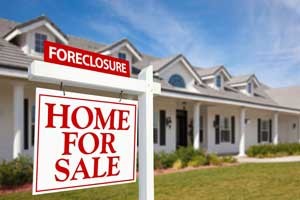 If you are not planning on keeping your home, you do not need to attend the foreclosure hearing. If you just attend the foreclosure hearing to request more time to live in the house without an intention in staying in the house the Clerk of Court is less likely to grant a continuance.
If you are a married couple you do not both need to attend the foreclosure hearing. It can be just one of you. Most importantly, don’t be late! If you are late to your foreclosure hearing you may miss your case being called which means the foreclosure can proceed as otherwise scheduled.
If you are granted a continuance, you will have a few different options. Your first option is to come to an agreement with your mortgage company to get payments caught up. Usually the mortgage wants a big lump sum payment or wants three or four large payments over a three to four month period. Often, the options provided by your mortgage company may be impossible or unrealistic for you to accomplish. Your second and third options are to consult a bankruptcy attorney and consider filing a Chapter 7 or a Chapter 13 bankruptcy. We discuss those options a little more below.
You may have companies that also reach out to you and tell you that they can save your home from a foreclosure through different “special” tools they have. Be cautious of this. Do your research before paying these companies any money. These companies will use terminology like foreclosure prevention specialists, mortgage modification experts and have names of a company that sounds very similar to otherwise legitimate governmental programs. Too often we have clients who come in who have tried for months and months with another company to stop a foreclosure only to come to us when it did not work out. At times, its too late to save someone house at that point in time. At least consult a bankruptcy attorney to learn your options. Most bankruptcy attorneys, like us, offer free initial consultations.
Your choices regarding filing bankruptcy to assist with the foreclosure process are based on what you, the homeowner, wants to do.
If you are planning on surrendering (giving up / letting go of) your home, your best option would most likely be to file a Chapter 7 bankruptcy. A Chapter 7 bankruptcy would allow you to surrender the house and wipe out the mortgage debt you may, otherwise, be liable for. Often filing a Chapter 7 bankruptcy can allow you a little more time in the house as well. When you file a bankruptcy it enacts an automatic stay which may allow you to stay in the house for an additional period of time.
If you are wanting to keep your property then a Chapter 13 bankruptcy may be your best option. A Chapter 13 bankruptcy allows you to stop a foreclosure due to the automatic stay and allows you to bring your house payments current over a 36 to 60-month (3 to 5 year) period. However, it’s important you file your bankruptcy prior to the foreclosure date. You will want to give your bankruptcy attorney as much time as possible to prepare your petition and get your case filed. In North Carolina, there is an upset bid period where you can still file a Chapter 13 bankruptcy after a foreclosure and still get your house back.
The facts of your situation will play major role in what your options are so it is important you reach out for professional help as soon as possible to more fully explore your options and how the law impacts your situation.
Key Takeaways
- The Clerk of Court in your county handles NC foreclosure hearings and can grant a 60–90 day continuance if you show up and explain you're working toward a resolution with your mortgage company.
- Only one spouse needs to attend if you're married, but whoever goes must be on time — a missed call means the foreclosure can proceed as scheduled.
- Beware of foreclosure prevention companies using official-sounding names; many clients come to us after months of paying these companies with nothing to show for it, sometimes too late to save the home.
- Filing a Chapter 13 bankruptcy triggers the automatic stay and can halt a foreclosure, allowing you to catch up on missed payments over a 36–60 month plan — but you must file before the foreclosure sale date.
- If you plan to surrender your home, a Chapter 7 bankruptcy can wipe out the remaining mortgage debt and may give you additional time in the house while the case is processed.
- In North Carolina, an upset bid period after a foreclosure sale may still allow you to file a Chapter 13 and recover your home — consult a bankruptcy attorney as soon as possible to know if that window is still open.
Attorney Insight
The mistake I see most often is homeowners waiting too long because they've been paying a "foreclosure prevention" company for months — and by the time they walk into our office, the sale date is days away or has already passed. In North Carolina, once the foreclosure sale occurs, your ability to file a Chapter 13 and recover the home is tied to the upset bid period, which is a narrow window most people don't know exists. If you'd called a bankruptcy attorney at the first notice of hearing, we almost always have more tools available to protect you — including filing before the sale to trigger the automatic stay and stop the process entirely. The sooner you come in, the more options you have.